
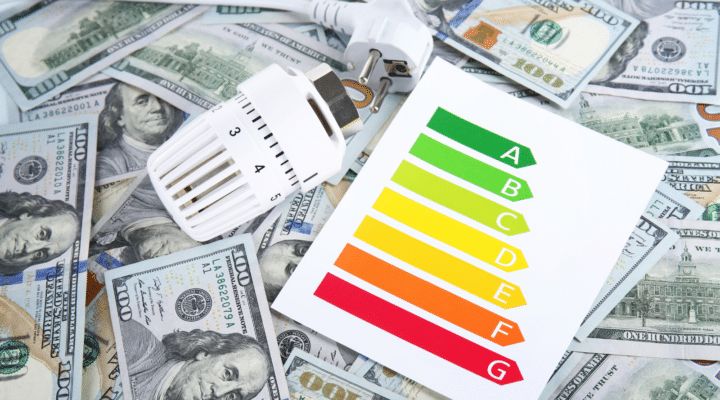
Want to slash your electricity bills and create a greener home? The secret might be hiding in your walls: your electrical wiring. Upgrading to more efficient electrical solutions can seem like a big investment upfront, but the long-term savings and environmental benefits can be significant. Let’s explore whether investing in energy-efficient wiring is a smart move for your wallet and the planet.
Modern, eco-conscious electrical systems are about more than just flipping a switch. They represent a shift towards sustainability, enhanced safety, and substantial cost reduction over the lifespan of your home. By carefully considering your wiring choices, you can minimize energy waste, reduce your carbon footprint, and enjoy a more comfortable and secure living environment. It’s about making informed decisions that pay dividends for years to come.
Cost vs. Savings: Is Energy-Efficient Wiring Worth It?
The initial expense of upgrading your home's wiring can be daunting. However, when you factor in the potential long-term savings and other benefits, the equation shifts significantly. Let's break down the costs and savings associated with energy-efficient wiring.
Understanding the Upfront Costs
The cost of upgrading to sustainable wiring practices depends on several factors: Size of Your Home: Larger homes naturally require more materials and labor, increasing the overall cost. Extent of the Upgrade: Are you rewiring the entire house, or just focusing on specific areas? A complete overhaul will be more expensive than a partial upgrade. Choice of Materials: Eco-friendly electrical materials, such as low-VOC (volatile organic compound) wiring and recycled content components, may have a higher initial price tag. Labor Costs: Electrician rates vary depending on location and experience. Get quotes from multiple qualified electricians to ensure you're getting a fair price. Smart Home Integration:Integrating smart home technology, such as smart circuits and automated lighting controls, will add to the initial investment.
Calculating the Long-Term Savings
The savings generated by low-energy wiring systems come from several sources: Reduced Energy Consumption: Efficient wiring minimizes energy loss due to resistance and heat. This translates directly into lower electricity bills. Longer Lifespan of Appliances: Stable and reliable power delivery from upgraded wiring can extend the life of your appliances and electronics. Lower Maintenance Costs: High-quality, durable wiring requires less frequent maintenance and repairs, saving you money in the long run. Increased Home Value: Energy-efficient homes are becoming increasingly desirable to buyers. Upgrading your wiring can increase your property value. Government Incentives and Rebates:Many local and national governments offer incentives and rebates for homeowners who invest in energy-efficient upgrades. Research available programs in your area.
Specific Solutions for Energy-Efficient Wiring
Here are some concrete ways to implement green home wiring: LED-Compatible Wiring: Ensure your wiring is designed to work efficiently with LED lighting. This includes using appropriate gauges and connectors to minimize energy loss. Smart Circuits and Automated Lighting Controls: Install smart circuits that monitor energy usage and automatically adjust lighting based on occupancy and daylight levels. Optimized Wiring Layouts: Work with your electrician to design a wiring layout that minimizes cable length and reduces energy loss. Shorter runs of wire mean less resistance. Eco-Friendly Materials: Opt for sustainable electrical materials, such as low-VOC wiring, recycled content junction boxes, and sustainably sourced conduit. Proper Insulation: Ensure wiring is properly insulated to prevent energy loss and reduce the risk of overheating. Consider DC Power Distribution: DC power is more efficient than AC for many modern electronics. Explore the possibility of DC power distribution in certain areas of your home. Use Energy Star Rated Devices:Choosing Energy Star rated appliances, electronics, and lighting further reduces overall energy consumption.
Key Benefits Beyond Cost Savings
Beyond the direct financial advantages, there are numerous other compelling reasons to invest in eco-friendly electrical solutions.
Environmental Impact
Reduced Carbon Footprint: Lower energy consumption translates to a smaller carbon footprint. Conservation of Resources: Sustainable electrical materials often use recycled content and are manufactured using environmentally friendly processes. Reduced Pollution:By reducing your demand for electricity, you help decrease pollution from power plants.
Safety Enhancements
Reduced Risk of Electrical Fires: Modern wiring materials and installation techniques significantly reduce the risk of electrical fires. Improved Grounding: Proper grounding protects against electrical shock and appliance damage. Surge Protection:Whole-house surge protection safeguards your electronics from power surges.
Increased Comfort and Convenience
Stable Power Supply: Upgraded wiring provides a more stable and reliable power supply, reducing the risk of flickering lights and power outages. Smart Home Integration: Enjoy the convenience and energy savings of automated lighting, smart thermostats, and other smart home features. Future-Proofing Your Home:Investing in energy-efficient wiring prepares your home for future technological advancements and energy standards.
Practical Steps for Upgrading Your Wiring
Ready to take the plunge? Here's a step-by-step guide to upgrading your electrical wiring:
1.Assess Your Needs: Evaluate your current energy usage and identify areas where you can improve efficiency.
2.Consult with a Qualified Electrician: Get professional advice on the best solutions for your home and budget.
3.Obtain Multiple Quotes: Compare quotes from different electricians to ensure you're getting a competitive price.
4.Choose Energy-Efficient Materials: Opt for sustainable electrical materials whenever possible.
5.Plan the Upgrade Carefully: Work with your electrician to develop a detailed plan that minimizes disruption to your home.
6.Ensure Proper Installation: Insist on professional installation to ensure safety and efficiency.
7.Inspect and Maintain Regularly: Schedule regular inspections to identify and address any potential problems.
Debunking Common Myths about Energy-Efficient Wiring
There are several misconceptions surrounding eco-friendly wiring that can deter homeowners from investing in it. Let's debunk some of these myths: Myth: Energy-efficient wiring is too expensive. While the initial cost may be higher, the long-term savings and other benefits often outweigh the expense. Myth: It's not worth the hassle. Upgrading your wiring can be a complex process, but with proper planning and a qualified electrician, it can be relatively smooth. Myth: It doesn't make a noticeable difference. Upgrading to efficient electrical installations can significantly reduce your energy consumption and lower your electricity bills. Myth: It's only for new homes. While it's easier to incorporate green home solutions during new construction, existing homes can also be retrofitted with energy-efficient wiring.
Sustainable Electrical Materials: What to Look For
Choosing the right materials is crucial for achieving optimal energy efficiency and minimizing environmental impact. Here are some key features to look for: Low-VOC (Volatile Organic Compound) Wiring: These wires release fewer harmful chemicals into the air, improving indoor air quality. Recycled Content Materials: Opt for junction boxes, conduits, and other components made from recycled materials. Sustainably Sourced Wood: If you're using wood for electrical boxes or mounting, ensure it's sustainably sourced from responsibly managed forests. Lead-Free Solder: Use lead-free solder for all electrical connections to reduce the risk of lead exposure. Energy Star Rated Components:Choose Energy Star rated lighting fixtures, appliances, and other electrical devices.
People Also Ask
How much does it cost to rewire a house for energy efficiency?
The cost to rewire a house varies significantly based on the size of the home, the extent of the upgrade, and the materials used. A partial upgrade focusing on specific areas might cost a few thousand dollars, while a complete rewiring of a large home could range from \$10,000 to \$20,000 or more. Obtaining quotes from multiple qualified electricians is essential for getting an accurate estimate.
What are some simple energy-saving electrical tips?
Switch to LED lighting.
Unplug electronics when not in use.
Use power strips to easily turn off multiple devices.
Install a programmable thermostat.
Seal air leaks around windows and doors.
Consider dimmer switches.
How can I tell if my wiring is outdated or inefficient?
Signs of outdated or inefficient wiring include:
Flickering lights.
Frequently tripping breakers.
Warm outlets or switches.
Two-prong outlets (without grounding).
Visible cracks or damage to wiring.
If you notice any of these signs, consult with a qualified electrician for an inspection.
Investing in efficient electrical installations is a win-win for your wallet and the environment. By carefully considering the costs and benefits, and by making informed choices about materials and installation, you can create a more sustainable, safe, and comfortable home. Don’t delay – explore your options for sustainable wiring practices today and start reaping the rewards of a greener lifestyle. Schedule a professional inspection to ensure your electrical system is up to par and operating efficiently.

Posting Komentar