
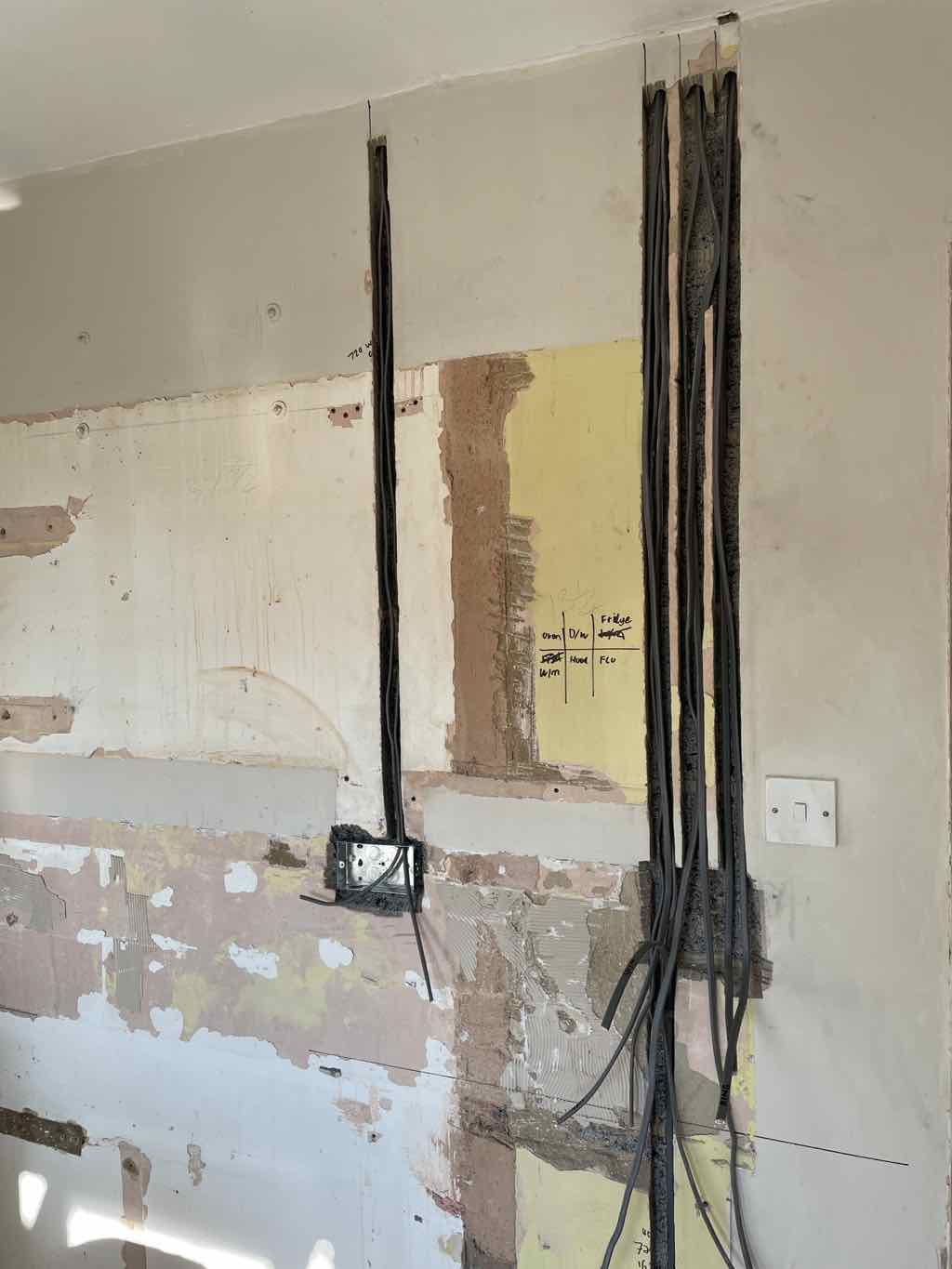
Tired of watching your electricity bills skyrocket while also feeling guilty about your carbon footprint? The kitchen, often the heart of the home, is also a significant energy consumer. Refrigerators hum, ovens preheat, and a variety of appliances stand ready to devour power. But it doesn't have to be this way. By implementing a strategic approach to your kitchen's electrical system, you can significantly reduce your energy consumption, save money, and contribute to a more sustainable future.
Energy-efficient wiring isn't just about swapping out a few old appliances; it's about designing a comprehensive electrical system that minimizes waste and maximizes performance. This translates to tangible benefits: lower utility bills, a reduced environmental impact, and a safer home. Outdated or poorly designed electrical systems can contribute to energy loss through inefficient wiring and increased risk of electrical hazards. Upgrading with sustainable wiring practices enhances safety, reduces the likelihood of electrical fires, and ensures your home meets modern energy efficiency standards. Let’s dive into how you can transform your kitchen into an energy-efficient powerhouse.
Optimizing Your Kitchen's Electrical System for Energy Efficiency
A kitchen upgrade provides a fantastic opportunity to implement eco-friendly electrical solutions. From selecting the right types of wiring to strategically placing outlets, every decision plays a role in how efficiently your kitchen operates. Let’s explore practical strategies for creating a low-energy kitchen.
1. Embrace LED Lighting and Compatible Wiring
Traditional incandescent and even some fluorescent lights consume significantly more energy than LEDs. Switching to LED lighting is one of the simplest and most impactful ways to reduce your kitchen's energy consumption. However, it's not just about changing the bulbs.
Why LED-compatible wiring is crucial: Older wiring might not be fully compatible with LED fixtures, potentially leading to flickering, buzzing, or premature bulb failure. Ensure your wiring is rated for LED use, especially if you're installing new lighting systems. Consider dimming options: Install dimmer switches designed for LEDs. Dimmers not only allow you to adjust the brightness to suit your needs but also further reduce energy consumption when lights are dimmed. Task lighting is key:Strategically place LED task lighting under cabinets, over the sink, and above the stovetop. This focuses light where you need it most, reducing the need for overall ambient lighting.
2. Smart Circuits and Energy Monitoring
Smart home technology offers powerful tools for managing and reducing energy consumption. Integrating smart circuits into your kitchen can provide valuable insights and control.
Smart outlets and power strips: These devices allow you to monitor the energy usage of individual appliances and turn them off remotely, preventing phantom loads (energy wasted by appliances when they're turned off but still plugged in). Circuit-level energy monitoring: Install a whole-house energy monitoring system that provides detailed data on energy consumption by circuit. This allows you to identify energy hogs in your kitchen and take corrective action. Automated lighting control:Use motion sensors and timers to automatically turn off lights in areas that are not frequently used, such as pantries or storage spaces.
3. Energy-Saving Layout and Appliance Placement
The layout of your kitchen and the placement of appliances can significantly impact energy efficiency. Smart planning can minimize energy waste and improve overall functionality.
Refrigerator placement: Avoid placing your refrigerator next to heat-generating appliances like ovens or dishwashers. This forces the refrigerator to work harder to maintain its internal temperature. Ensure adequate ventilation around the refrigerator to allow for efficient cooling. Optimize appliance usage: Run dishwashers and washing machines only when they are fully loaded. Use the energy-saving settings on your appliances to reduce water and energy consumption. Natural light optimization:Design your kitchen to maximize natural light. Large windows and skylights can reduce the need for artificial lighting during the day. Consider installing light shelves to bounce sunlight deeper into the room.
4. Eco-Friendly and Sustainable Wiring Materials
Choosing the right wiring materials can contribute to a greener and more sustainable kitchen. Opt for materials that are durable, safe, and environmentally friendly.
Recycled content wiring: Look for wiring that contains recycled copper or aluminum. This reduces the environmental impact associated with mining and manufacturing new materials. Low-VOC wiring insulation: Volatile organic compounds (VOCs) can off-gas from wiring insulation, contributing to indoor air pollution. Choose wiring with low-VOC insulation to improve air quality. Consider alternative wiring methods:In some cases, alternative wiring methods like conduit or armored cable can offer better protection and longevity compared to standard Romex wiring.
5. Safe and Professional Installation Practices
Even the most energy-efficient wiring and appliances won't deliver their full potential if they're not installed correctly. Prioritize safety and ensure professional installation to maximize efficiency and prevent hazards.
Hire a qualified electrician: Working with electrical systems can be dangerous. Always hire a licensed and experienced electrician to perform any electrical work in your kitchen. Proper grounding and bonding: Ensure that all electrical circuits and appliances are properly grounded and bonded to prevent electrical shocks and reduce the risk of fire. Adhere to electrical codes: Follow all local and national electrical codes to ensure that your kitchen's electrical system is safe and compliant. Regular inspections: Schedule regular electrical inspections to identify and address any potential problems before they become serious.
Practical Steps to Start Saving Energy Today
Implementing these strategies doesn’t have to be an overwhelming undertaking. Here's a phased approach to make your kitchen more energy efficient:Phase 1: Quick Wins Replace incandescent bulbs with LEDs: This is the easiest and most immediate way to cut energy consumption. Unplug appliances when not in use: Eliminate phantom loads by unplugging small appliances like toasters, coffee makers, and blenders when they're not being used. Use power strips with surge protection:Protect your appliances from power surges and easily switch off multiple devices at once.
Phase 2: Intermediate Upgrades Install dimmer switches for LED lighting: Gain greater control over lighting levels and energy usage. Replace older appliances with Energy Star-certified models: When it’s time to replace an appliance, choose an energy-efficient model. Optimize refrigerator settings: Ensure your refrigerator is set to the optimal temperature (around 37°F) and that the door seals are tight.
Phase 3: Comprehensive Renovations Rewire your kitchen with LED-compatible wiring: Ensure your electrical system is ready for the future of energy-efficient lighting. Install smart circuits and energy monitoring systems: Gain detailed insights into your energy usage and automate energy-saving measures. Re-design your kitchen layout for optimal appliance placement: Maximize natural light and minimize energy waste.
Frequently Asked Questions
How much does it cost to rewire a kitchen for energy efficiency?
The cost varies depending on the scope of the project, the size of your kitchen, and the materials you choose. A basic rewiring project can range from a few hundred dollars to several thousand dollars for a complete overhaul. Obtaining quotes from multiple qualified electricians is recommended.
What are the long-term benefits of energy-efficient wiring?
The long-term benefits include significantly reduced electricity bills, a smaller carbon footprint, increased home value, and a safer electrical system. Additionally, energy-efficient wiring can help you comply with energy efficiency standards and regulations.
Can I DIY some of the energy-efficient wiring upgrades?
While some minor upgrades, like replacing light bulbs, can be done safely by homeowners, most electrical work should be performed by a qualified electrician. Improper wiring can be dangerous and can lead to electrical fires or shocks.
Conclusion: Powering a Sustainable Kitchen
Creating an energy-efficient kitchen is a worthwhile investment that benefits both your wallet and the environment. By adopting sustainable wiring practices, choosing eco-friendly electrical solutions, and prioritizing safety, you can transform your kitchen into a model of efficiency. From upgrading to LED lighting and smart circuits to optimizing appliance placement and using sustainable materials, every step you take contributes to a greener and more sustainable future. Embrace these strategies and take control of your kitchen's energy consumption today. Schedule a consultation with a qualified electrician to assess your current electrical system and develop a plan for energy-efficient upgrades. Your future self, and the planet, will thank you!

Posting Komentar