
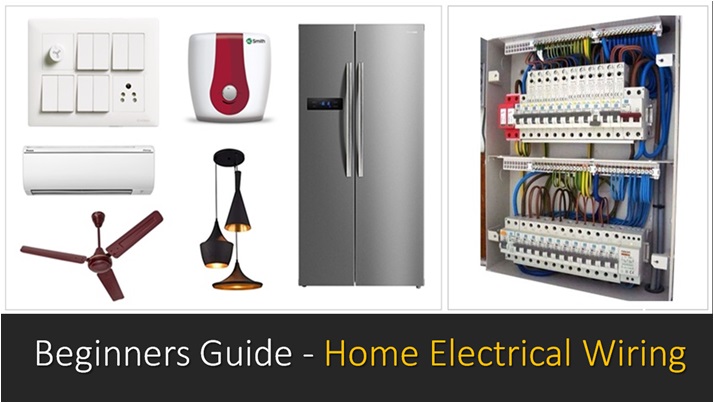
Want to slash your electricity bills and shrink your carbon footprint, all while ensuring your home's electrical system is safe and up-to-code? Upgrading your electrical wiring for energy efficiency might be the smartest move you make this year. With some strategic planning and informed choices, you can transform your home into an eco-friendly haven that saves you money month after month.
Energy-efficient wiring plays a pivotal role in creating sustainable homes. It's not just about using less electricity; it's about optimizing how electricity flows through your home, minimizing waste, and ensuring safety. By implementing eco-conscious electrical solutions, you can drastically reduce energy consumption, lower utility costs, and contribute to a healthier planet. These upgrades also enhance your home's resale value, as energy efficiency becomes an increasingly desirable feature for homebuyers.
Understanding the Basics of Efficient Electrical Systems
At its core, efficient electrical wiring is about minimizing energy loss between the power source and the appliances or devices using that power. This can involve selecting the right materials, designing optimal circuit layouts, and incorporating smart technologies to control and monitor energy usage. It's a holistic approach that considers every aspect of your home's electrical system, from the service panel to the light bulbs.
Choosing the Right Wire Gauge
The thickness of the wire, known as the gauge, is crucial for energy efficiency. Using the correct gauge for each circuit ensures that electricity can flow freely without overheating, which wastes energy and poses a fire risk. Consult the National Electrical Code (NEC) and a qualified electrician to determine the appropriate wire gauge for your specific needs, considering the amperage of the circuit and the distance the electricity needs to travel. Undersized wires can lead to voltage drops and increased energy consumption, while oversized wires, while safer, can be unnecessarily expensive.
Optimizing Circuit Layouts
The layout of your electrical circuits can also impact energy efficiency. Shorter circuits minimize energy loss due to resistance. Grouping outlets and lights that are frequently used together on dedicated circuits allows for better control and reduces the likelihood of overloading a single circuit. When planning new circuits or renovating existing ones, consider the placement of appliances and lighting fixtures to minimize wire lengths and optimize energy distribution.
Smart Technologies for Energy Savings
Integrating smart technologies into your home's electrical system is a game-changer for energy efficiency. These devices provide real-time monitoring and control, allowing you to fine-tune your energy usage and eliminate waste.
Smart Lighting Controls
Smart lighting controls, such as dimmers, timers, and motion sensors, can significantly reduce energy consumption. Dimmers allow you to adjust the brightness of your lights, using only the amount of energy needed. Timers can automatically turn lights on and off based on a schedule, preventing them from being left on unnecessarily. Motion sensors activate lights only when someone is present, making them ideal for areas like hallways, closets, and outdoor spaces.
Smart Outlets and Power Strips
Smart outlets and power strips allow you to control the power to individual devices, even when they are plugged in. This is particularly useful for eliminating "phantom loads," the energy wasted by devices that continue to draw power even when they are turned off. You can schedule outlets to turn off during certain times of the day or remotely control them using a smartphone app.
Energy Monitoring Systems
Energy monitoring systems provide real-time data on your home's energy consumption. These systems can track energy usage at the circuit level, allowing you to identify areas where energy is being wasted and take corrective action. Some systems also provide alerts when energy usage exceeds a certain threshold, helping you stay on top of your energy bills.
Eco-Friendly Materials for Sustainable Wiring
Choosing sustainable materials for your electrical wiring is another way to enhance energy efficiency and reduce your environmental impact.
Recycled Copper Wire
Copper is the most common material used for electrical wiring due to its excellent conductivity. Opting for recycled copper wire reduces the demand for newly mined copper, which can have significant environmental consequences. Recycled copper performs just as well as new copper and is often available at a lower cost.
Bio-Based Wire Insulation
Traditional wire insulation is made from petroleum-based plastics. Bio-based wire insulation is made from renewable resources, such as corn or soybeans, and is biodegradable. This reduces your reliance on fossil fuels and minimizes waste.
Safe Practices for Energy-Efficient Electrical Systems
Safety is paramount when working with electrical wiring. Always follow these safe practices to protect yourself and your home.
Hire a Qualified Electrician
Unless you have extensive experience working with electrical wiring, it's best to hire a qualified electrician for any major electrical work. Electricians are trained to identify potential hazards and ensure that all work is done safely and up to code.
Follow the National Electrical Code (NEC)
The NEC provides comprehensive guidelines for safe electrical installations. Familiarize yourself with the NEC requirements for your area and ensure that all electrical work complies with these standards.
Regular Inspections
Schedule regular inspections of your electrical system to identify potential problems before they become serious. Look for signs of wear and tear, such as frayed wires, cracked insulation, and loose connections. Address any issues promptly to prevent electrical hazards and ensure optimal energy efficiency.
Energy-Saving Lighting Solutions
Lighting accounts for a significant portion of a home's energy consumption. Switching to energy-efficient lighting can dramatically reduce your electricity bills and improve your home's overall energy efficiency.
LED Lighting
LED lighting is the most energy-efficient lighting option available. LEDs use up to 75% less energy than incandescent bulbs and last much longer. They also produce less heat, which can further reduce energy consumption by lowering your cooling costs.
Natural Lighting
Maximize the use of natural lighting to reduce your reliance on artificial light. Open curtains and blinds during the day to allow sunlight to enter your home. Consider installing skylights or light tubes to bring natural light into dark areas.
Task Lighting
Use task lighting to focus light where it is needed most. This allows you to use less overall lighting while still providing adequate illumination for specific tasks. For example, use a desk lamp for reading or a pendant light over a kitchen island for food preparation.
Understanding Energy Audits
An energy audit is a comprehensive assessment of your home's energy performance. It can identify areas where energy is being wasted and recommend specific measures to improve energy efficiency.
Professional Energy Audits
A professional energy audit is conducted by a certified energy auditor who uses specialized equipment to measure your home's energy performance. The auditor will inspect your insulation, windows, doors, HVAC system, and electrical system to identify potential problems.
DIY Energy Audits
You can also conduct a DIY energy audit to identify some of the most common sources of energy waste. Look for air leaks around windows and doors, check the insulation in your attic and walls, and inspect your appliances for energy-wasting features.
Tax Credits and Rebates
Many government agencies and utility companies offer tax credits and rebates for energy-efficient upgrades. These incentives can significantly reduce the cost of implementing energy-efficient electrical wiring and other energy-saving measures.
Federal Tax Credits
The federal government offers tax credits for certain energy-efficient upgrades, such as installing energy-efficient appliances and renewable energy systems. Check the Energy Star website for a list of eligible products and the amount of the tax credit.
State and Local Rebates
Many state and local governments and utility companies offer rebates for energy-efficient upgrades. These rebates can vary depending on your location and the specific upgrades you are making. Contact your local utility company or energy office for more information.
Future-Proofing Your Electrical System
As technology continues to evolve, it's important to future-proof your electrical system to accommodate new devices and technologies.
Adding Capacity
When upgrading your electrical wiring, consider adding extra capacity to accommodate future needs. This may involve installing a larger service panel or adding additional circuits.
Preparing for Electric Vehicles
If you are considering purchasing an electric vehicle, make sure your electrical system is prepared to handle the charging load. This may require installing a dedicated circuit for your EV charger.
Smart Home Integration
Plan for seamless integration of smart home devices and technologies. This may involve installing smart hubs and ensuring that your wiring is compatible with these devices.
Incorporating sustainable wiring practices is a smart investment in your home's future, the environment, and your wallet. By choosing eco-friendly electrical solutions, you're not just cutting electricity bills; you're contributing to a more sustainable world. Remember to consult with qualified professionals to ensure all work is safe and compliant. Now is the perfect time to take action and create a greener, more efficient home. Schedule that electrical inspection, explore LED lighting options, and take control of your energy consumption today!
People Also Ask:
How much does it cost to rewire a house for energy efficiency?
The cost varies significantly based on the size of your home, the extent of the rewiring, and the materials used. Generally, expect to pay anywhere from $4,000 to $15,000 for a complete rewiring project. Getting multiple quotes from licensed electricians is always recommended.
What are the biggest energy wasters in a home's electrical system?
Common culprits include old appliances, incandescent lighting, phantom loads from electronics plugged in but not in use, and poorly insulated wiring. Addressing these areas offers significant potential for energy savings.
How can I tell if my wiring is energy-efficient?
Visual signs might include outdated wiring (cloth-covered or aluminum), flickering lights, or frequently tripped circuit breakers. However, the best way to assess is through a professional inspection. Electricians can identify inefficiencies and recommend upgrades for a more sustainable electrical system.

Posting Komentar