
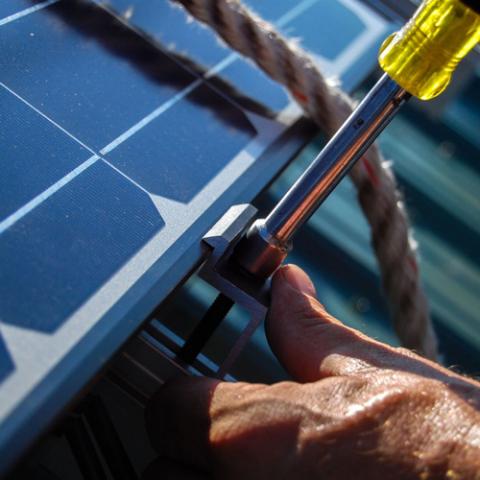
Want to slash your electricity bills and create a healthier planet at the same time? Upgrading your home's electrical system with sustainability in mind is a powerful way to achieve both. From homeowners looking to reduce their carbon footprint to electricians seeking to offer cutting-edge services, understanding the principles of efficient electrical installations is key to a brighter, greener future.
Eco-friendly electrical solutions play a crucial role in achieving sustainability, enhancing safety, and significantly reducing long-term costs. By optimizing the way electricity flows through your home, we not only minimize wasted energy but also create safer living spaces and contribute to a healthier environment for everyone. This guide will explore practical upgrades and best practices that empower you to make informed decisions about your home's electrical system.
How Energy-Efficient Wiring Helps Lower Carbon Footprint
The Impact of Sustainable Wiring Practices
Traditional wiring systems often lead to energy waste through resistance and inefficient layouts. Sustainable wiring practices aim to minimize these losses, ensuring that more of the electricity you pay for is actually used to power your devices and appliances. This has a direct impact on lowering your carbon footprint by reducing the demand for electricity generated from fossil fuels.
Here are some key benefits of adopting eco-friendly electrical solutions: Reduced Energy Consumption: Minimizing energy waste translates to lower electricity bills and a smaller environmental impact. Enhanced Safety: Modern wiring materials and layouts can improve safety, reducing the risk of electrical fires and shocks. Increased Home Value: Homes with energy-efficient features are increasingly desirable to buyers, boosting your property's market value. Compliance with Energy Standards: Many regions have adopted energy efficiency standards, and upgrading your wiring can help you meet these requirements.
Practical Solutions for a Greener Electrical System
Let's explore specific solutions that can transform your home's electrical system into an energy-saving powerhouse.
LED-Compatible Wiring
LED lighting is significantly more energy-efficient than traditional incandescent or fluorescent bulbs. However, older wiring systems may not be fully compatible with LEDs, leading to flickering, buzzing, or even premature bulb failure.
Why it matters: Using wiring specifically designed for LEDs ensures optimal performance and longevity of your lighting system. What to look for: Opt for wiring that is rated for low-voltage applications and compatible with LED dimming systems. Pro tip:Consult with a qualified electrician to assess your existing wiring and recommend appropriate upgrades.
Smart Circuits and Energy Monitoring
Smart circuits and energy monitoring systems provide real-time data on your energy consumption, allowing you to identify areas where you can save energy.
How it works: Smart circuit breakers can monitor the energy usage of individual circuits, providing detailed insights into your home's energy consumption patterns. Benefits: Identify energy-hogging appliances, track your energy usage over time, and make informed decisions about energy conservation. Implementation:Smart circuit breakers can be installed by a qualified electrician and integrated with your smart home system.
Energy-Saving Layouts
The layout of your electrical system can also impact energy efficiency. Consider these strategies: Minimize long wire runs: Shorter wire runs reduce resistance and energy loss. Use appropriately sized wiring: Using the correct gauge of wire for each circuit ensures efficient power delivery and prevents overheating. Strategic placement of outlets and switches:Optimizing the location of outlets and switches can reduce the need for extension cords and power strips, which can contribute to energy waste.
Eco-Friendly Electrical Materials
Choosing sustainable materials for your electrical system is another important step towards reducing your carbon footprint.
Recycled Copper Wiring: Copper is a highly conductive material, but its production can be energy-intensive. Opting for recycled copper wiring reduces the environmental impact associated with copper mining and processing. PVC-Free Conduit: Traditional PVC conduit is made from petroleum-based materials. Consider using PVC-free alternatives made from recycled plastics or other sustainable materials. Sustainable Insulation:Choose insulation materials made from recycled paper, fiberglass, or other sustainable sources.
Safe Electrical Practices
Safety is paramount when working with electricity. Adhering to safe electrical practices not only protects you and your family but also ensures the long-term reliability of your electrical system.
Always turn off the power: Before working on any electrical circuit, always turn off the power at the main breaker. Use appropriate safety gear: Wear insulated gloves and safety glasses when working with electricity. Follow building codes and regulations: Ensure that all electrical work complies with local building codes and regulations. Hire a qualified electrician: For complex electrical work, always hire a qualified and licensed electrician.
Understanding Wire Gauges and Their Impact on Efficiency
Choosing the right wire gauge for each circuit is crucial for safety and efficiency. Wire gauge refers to the thickness of the wire, and it determines the amount of current the wire can safely carry. Using an undersized wire can lead to overheating, voltage drops, and even electrical fires.
How to determine the correct wire gauge: Consult the National Electrical Code (NEC) or a qualified electrician to determine the appropriate wire gauge for each circuit based on the amperage of the circuit and the length of the wire run. Benefits of using the correct wire gauge: Prevents overheating, reduces voltage drops, and ensures efficient power delivery. Common wire gauges:Common wire gauges used in residential wiring include 14 AWG, 12 AWG, and 10 AWG.
Smart Home Technology and Energy Efficiency
Integrating smart home technology into your electrical system can further enhance energy efficiency.
Smart thermostats: Smart thermostats learn your heating and cooling preferences and automatically adjust the temperature to save energy. Smart lighting: Smart lighting systems allow you to control your lights remotely, schedule lighting scenes, and dim lights to save energy. Smart appliances:Smart appliances can be programmed to operate during off-peak hours, reducing your energy costs.
People Also Ask
How often should I have my home's wiring inspected?
It's generally recommended to have your home's wiring inspected by a qualified electrician every 5-10 years, or sooner if you notice any signs of electrical problems such as flickering lights, tripping breakers, or burning smells. Older homes may require more frequent inspections.
Can I DIY electrical work to save money?
While some minor electrical tasks, such as replacing a light switch or outlet, can be done safely by homeowners with basic electrical knowledge, it's generally best to leave complex electrical work to a qualified electrician. Incorrect wiring can be dangerous and can lead to electrical fires or shocks.
Are there any government incentives for energy-efficient electrical upgrades?
Many governments offer incentives, such as tax credits or rebates, for homeowners who invest in energy-efficient upgrades. Check with your local utility company or government energy office to see what incentives are available in your area.
Conclusion: Powering a Sustainable Future
By embracing energy-efficient wiring practices, you can significantly reduce your carbon footprint, lower your electricity bills, and create a safer, more sustainable home. From LED-compatible wiring to smart circuits and eco-friendly materials, there are numerous ways to optimize your electrical system for energy efficiency. Make the conscious choice to prioritize sustainable solutions and schedule regular inspections to ensure the ongoing safety and efficiency of your home's electrical system. Together, we can power a brighter, greener future for generations to come.

Posting Komentar