
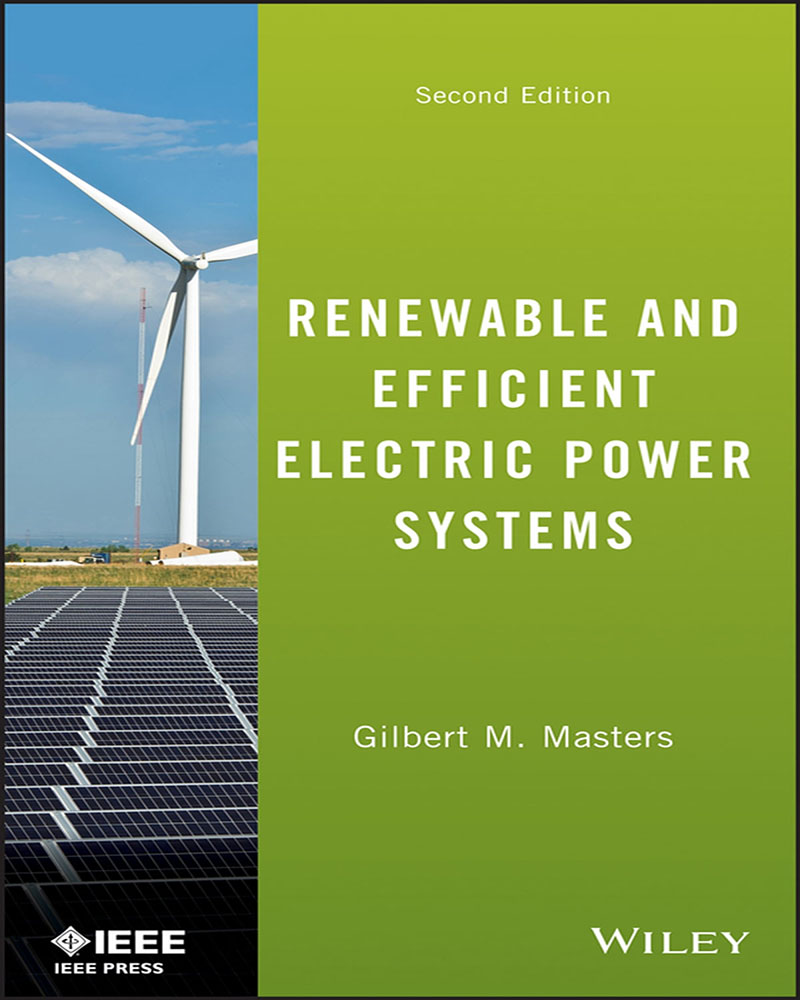
Imagine slashing your electricity bills while simultaneously shrinking your carbon footprint. Sounds appealing, right? By focusing on sustainable wiring practices, you can make this a reality. Whether you're a homeowner looking to upgrade your existing electrical system or an electrician seeking to provide greener solutions, understanding the principles of low-energy electrical design is the first step toward a more sustainable future.
Energy-efficient wiring isn't just about saving money; it's about creating a safer, more reliable, and environmentally responsible electrical system. It ensures optimal performance from renewable energy sources like solar panels and wind turbines, minimizing energy loss and maximizing the benefits of your investment in clean power. Let's dive into how you can implement these practices to create a truly green and efficient home.
Maximizing Renewable Energy with Smart Wiring Choices
Harnessing the full potential of renewable energy systems requires a holistic approach, and that starts with the wiring itself. Traditional wiring systems can be inefficient, leading to energy waste and reduced performance of renewable energy sources. By implementing a few key strategies, you can create a system that maximizes energy capture and minimizes loss.
Choosing the Right Wire Gauge
Selecting the appropriate wire gauge is crucial for minimizing energy loss and ensuring the safe operation of your electrical system. Undersized wires can overheat, leading to voltage drops and potentially causing fires. Oversized wires, while safer, can be more expensive and unnecessary. Use a wire gauge calculator to determine the correct size for each circuit, taking into account the amperage, voltage, and distance of the run.
Optimizing Circuit Layouts
The layout of your electrical circuits can significantly impact energy efficiency. Shorter wire runs minimize resistance and voltage drop, leading to less energy waste. Consider consolidating circuits to reduce the overall length of wiring. In new construction or renovation projects, carefully plan the placement of outlets and lighting fixtures to optimize circuit layouts.
Implementing Smart Home Technology
Smart home technology offers numerous opportunities for improving energy efficiency. Smart thermostats, lighting controls, and energy monitoring systems can help you track energy usage and identify areas for improvement. These devices can also be programmed to automatically adjust energy consumption based on occupancy and time of day, further reducing waste.
Eco-Friendly Materials for a Sustainable Home
The materials used in your wiring system can have a significant environmental impact. Choosing eco-friendly alternatives can reduce your carbon footprint and create a healthier living environment.
Low-Smoke Zero-Halogen (LSZH) Cables
Traditional PVC-insulated cables release toxic fumes when burned, posing a serious health hazard. LSZH cables, on the other hand, are made from materials that produce minimal smoke and no halogens when exposed to fire. This makes them a safer and more environmentally friendly choice for residential and commercial applications.
Recycled Copper Wiring
Copper is a highly recyclable material, and using recycled copper wiring can significantly reduce the environmental impact of your electrical system. Recycled copper requires less energy to produce than virgin copper, conserving natural resources and reducing greenhouse gas emissions.
Bio-Based Wiring Insulation
Emerging technologies are producing wiring insulation from bio-based materials such as plant oils and agricultural waste. These materials are renewable and biodegradable, offering a sustainable alternative to traditional petroleum-based insulation.
Energy-Saving Circuits and Electrical Design
Beyond materials, the design and implementation of your electrical circuits play a pivotal role in maximizing efficiency. Thoughtful planning and the use of specific components can significantly reduce energy consumption.
LED-Compatible Wiring
LED lighting is significantly more energy-efficient than traditional incandescent and fluorescent lighting. However, some older wiring systems are not compatible with LEDs, leading to flickering, buzzing, or premature bulb failure. When upgrading to LED lighting, ensure that your wiring is properly rated and compatible to maximize the lifespan and performance of your LEDs.
Ground Fault Circuit Interrupters (GFCIs) and Arc Fault Circuit Interrupters (AFCIs)
While primarily safety devices, GFCIs and AFCIs can also contribute to energy efficiency. GFCIs prevent electrical shocks by detecting ground faults, while AFCIs protect against electrical fires caused by arcing. By preventing these potentially dangerous situations, GFCIs and AFCIs can also prevent energy waste associated with electrical damage and faulty wiring.
Demand Response Systems
Demand response systems allow homeowners to reduce their energy consumption during peak demand periods, helping to stabilize the grid and lower overall energy costs. These systems can automatically adjust the settings of appliances and HVAC systems based on signals from the utility company, reducing energy usage during times of high demand.
Safe Wiring Practices for Long-Term Efficiency
Proper installation and maintenance are essential for ensuring the long-term efficiency and safety of your electrical system. Faulty wiring can lead to energy waste, electrical hazards, and costly repairs.
Professional Installation
While some electrical work can be done by homeowners, it's always best to hire a qualified electrician for major wiring projects. A professional electrician will ensure that the wiring is installed correctly, safely, and in compliance with local codes.
Regular Inspections
Regular electrical inspections can help identify potential problems before they become serious. An electrician can check for loose connections, damaged wiring, and other issues that could compromise the efficiency and safety of your system.
Proper Grounding
Proper grounding is essential for preventing electrical shocks and protecting sensitive electronic equipment. Ensure that your electrical system is properly grounded according to code.
Going Beyond the Basics: Advanced Strategies for Eco-Conscious Homes
For homeowners and builders looking to truly maximize energy efficiency and sustainability, several advanced strategies can be implemented. These strategies require careful planning and often involve working with experienced professionals, but the results can be significant.
DC Microgrids
Traditional AC electrical systems experience energy losses during the conversion from AC to DC power. DC microgrids, on the other hand, distribute DC power directly to DC appliances and devices, eliminating the need for AC/DC conversion and reducing energy waste. DC microgrids are particularly well-suited for homes with solar panels and battery storage systems.
Energy Monitoring Systems
Comprehensive energy monitoring systems provide detailed insights into energy consumption patterns. These systems can track energy usage by individual appliances and circuits, allowing homeowners to identify areas where they can reduce energy waste.
Passive House Design
Passive House design is a rigorous building standard that focuses on minimizing energy consumption through a combination of insulation, air sealing, and efficient building systems. Passive House homes require minimal energy for heating and cooling, making them incredibly energy-efficient. The wiring within a passive house must also adhere to high standards of efficiency and airtightness.
People Also Ask
Here are some common questions related to eco-friendly electrical solutions.
How much does energy-efficient wiring cost?
The cost of eco-friendly electrical solutions can vary depending on the scope of the project and the specific materials used. While some eco-friendly materials may have a higher upfront cost, the long-term energy savings can often offset the initial investment. It's important to get quotes from multiple contractors and compare the costs and benefits of different options.
Can I retrofit my existing home with energy-efficient wiring?
Yes, it is possible to retrofit an existing home with energy-efficient wiring, although it may be more challenging than incorporating these features into a new construction project. Consider upgrading to LED lighting, replacing old wiring with LSZH cables, and installing smart home devices to improve energy efficiency. Consulting with a qualified electrician is essential to determine the feasibility and cost of retrofitting your home.
What are the benefits of using sustainable electrical materials?
Sustainable electrical materials offer numerous benefits, including reduced environmental impact, improved indoor air quality, and enhanced safety. LSZH cables, for example, reduce the risk of toxic fumes in the event of a fire, while recycled copper wiring conserves natural resources and reduces greenhouse gas emissions.
In conclusion, the journey toward a sustainable future starts at home, and energy-efficient wiring is a crucial component. By making conscious choices about wiring materials, circuit design, and energy management, you can significantly reduce your environmental footprint and save money on your electricity bills. Don't wait; begin exploring eco-friendly electrical solutions today and contribute to a greener tomorrow. Remember to consult with a qualified electrician for any electrical work to ensure safety and compliance with local codes. Take action today and make your home a model of sustainability.

Posting Komentar