
Want to slash your electricity bills and create a more sustainable home? It all starts with what’s behind your walls: your electrical wiring. Upgrading to energy-efficient wiring isn't just a trend; it's a smart investment that pays dividends in the form of lower energy consumption, a reduced carbon footprint, and a safer living environment. Let's explore how you can calculate the savings and make informed decisions about your home's electrical system.
Energy-efficient wiring plays a pivotal role in creating sustainable, safe, and cost-effective homes. By minimizing energy waste and optimizing electrical distribution, these advanced systems contribute to significant savings on utility bills while promoting environmental responsibility. From selecting eco-friendly materials to implementing smart circuit designs, every aspect of efficient wiring enhances the overall performance and sustainability of your home's electrical infrastructure. It's about making conscious choices that benefit both your wallet and the planet.
Understanding the Basics of Energy-Efficient Wiring
Before diving into the calculations, it's crucial to understand what makes wiring energy-efficient. It's more than just the wires themselves; it's a holistic approach that encompasses the entire electrical system, from wiring materials to circuit design and appliance compatibility.
Key elements of efficient electrical installations include: Low-Resistance Wiring: Opting for materials like copper or aluminum with low electrical resistance minimizes energy loss as heat. Proper Insulation: Adequate insulation prevents energy leakage and ensures that electricity reaches its intended destination efficiently. Smart Circuit Design: Strategically designed circuits optimize power distribution, reducing unnecessary energy consumption. LED Compatibility: Wiring systems optimized for LED lighting ensure efficient performance and longevity of these energy-saving bulbs. Energy-Efficient Appliances:Pairing your wiring with appliances that meet high energy efficiency standards maximizes overall savings.
Calculating Potential Savings: A Step-by-Step Guide
Now, let’s get down to the nitty-gritty of calculating potential savings. This involves assessing your current energy consumption, estimating the impact of eco-friendly electrical solutions, and projecting long-term financial benefits.
Step 1: Assess Your Current Energy Consumption
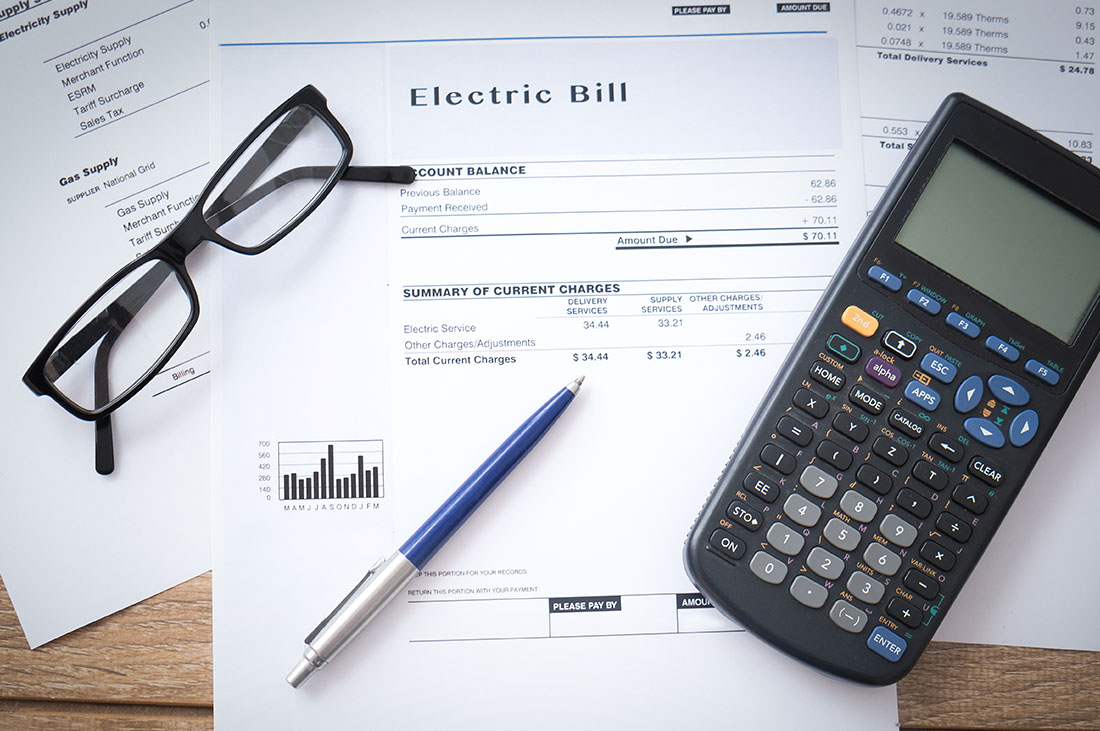
Begin by analyzing your electricity bills for the past year. Note your average monthly or annual kilowatt-hour (k Wh) usage. This provides a baseline against which you can measure potential savings.
Gather Data: Collect your electricity bills for the last 12 months. Calculate Average Usage: Add up the total k Wh used and divide by 12 to find your average monthly consumption. Identify High-Usage Periods:Note any seasonal spikes in energy consumption, such as during summer (air conditioning) or winter (heating).
Step 2: Identify Areas for Improvement
Next, identify specific areas in your home where energy-efficient wiring and related upgrades can make a significant impact. This may include outdated wiring, inefficient lighting systems, or appliances with high energy consumption.
Lighting: Replace incandescent or fluorescent lights with LED bulbs and ensure your wiring is LED-compatible. Appliances: Upgrade old, energy-guzzling appliances with Energy Star-certified models. Wiring: Replace outdated or damaged wiring with low-resistance, properly insulated wiring. Smart Home Devices: Install smart thermostats, lighting controls, and energy monitors to optimize energy usage.
Step 3: Estimate Energy Savings from Upgrades
For each identified area, estimate the potential energy savings from implementing energy-efficient solutions. This may require researching the energy consumption of new appliances or consulting with an electrician to assess wiring efficiency.
LED Lighting: LED bulbs consume up to 75% less energy than incandescent bulbs. Calculate the potential savings by comparing the wattage of your current bulbs with LED alternatives and estimating the number of hours each bulb is used per day. Energy-Efficient Appliances: Energy Star-certified appliances use significantly less energy than standard models. Refer to the Energy Star website or product labels to estimate the annual energy savings for each appliance. Efficient Wiring: Replacing outdated wiring can reduce energy loss due to resistance and leakage. Consult with an electrician to assess the efficiency of your current wiring and estimate potential savings from upgrades. Smart Home Technology: Smart thermostats can reduce heating and cooling costs by automatically adjusting temperatures based on occupancy and preferences. Estimate savings based on the thermostat's advertised energy efficiency features.
Step 4: Calculate Cost Savings
Once you've estimated the energy savings for each area, calculate the corresponding cost savings by multiplying the reduced energy consumption by your electricity rate.
Determine Electricity Rate: Find your current electricity rate on your electricity bill (usually expressed in dollars per k Wh). Calculate Annual Savings: Multiply the estimated annual energy savings (in k Wh) by your electricity rate to determine the annual cost savings for each upgrade. Total Savings:Add up the savings from all upgrades to estimate the total annual cost savings from energy-efficient wiring and related improvements.
Step 5: Consider Long-Term Benefits
In addition to immediate cost savings, consider the long-term benefits of energy-efficient wiring, such as increased home value, reduced maintenance costs, and environmental impact.
Increased Home Value: Energy-efficient homes are more attractive to buyers and can command a higher resale value. Reduced Maintenance Costs: Energy-efficient appliances and wiring systems typically require less maintenance and have a longer lifespan. Environmental Benefits:Reducing energy consumption lowers your carbon footprint and contributes to a more sustainable future.
Specific Solutions for Maximizing Energy Savings
Let's delve into some specific solutions that can help you maximize energy savings through eco-friendly electrical solutions.
LED-Compatible Wiring: Ensure your wiring is designed to handle the lower power requirements of LED lighting, which prevents flickering, buzzing, and premature bulb failure. Smart Circuits: Implement smart circuits that automatically switch off power to unused outlets or devices, minimizing standby power consumption. Optimized Layouts: Design your electrical layout to minimize long wire runs and optimize power distribution, reducing energy loss due to resistance. Eco-Friendly Materials: Choose wiring materials made from recycled or sustainable sources to reduce your environmental impact. Regular Inspections: Conduct regular electrical inspections to identify and address potential energy waste issues, such as faulty wiring or overloaded circuits. Surge Protection: Install surge protectors to safeguard your electronic devices from power surges, which can damage equipment and increase energy consumption. Demand Response Programs:Participate in demand response programs offered by your utility company, which reward you for reducing energy consumption during peak demand periods.
Examples of Energy-Efficient Wiring Upgrades and Their Impact
To illustrate the potential savings from energy-efficient wiring upgrades, let's consider a few real-world examples:Example 1: Replacing Incandescent Lighting with LEDs Scenario: A homeowner replaces 20 incandescent bulbs (60 watts each) with LED bulbs (10 watts each). Energy Savings: (60W - 10W) x 20 bulbs = 1000 watts saved per hour = 1 k Wh per hour Annual Savings: 1 k Wh/hour x 4 hours/day x 365 days/year = 1460 k Wh per year Cost Savings: 1460 k Wh x $0.15/k Wh = $219 per year
Example 2: Upgrading to Energy Star Appliances Scenario: A homeowner replaces an old refrigerator with an Energy Star-certified model, saving 400 k Wh per year. Annual Savings: 400 k Wh per year Cost Savings: 400 k Wh x $0.15/k Wh = $60 per year
Example 3: Replacing Outdated Wiring Scenario: A homeowner replaces outdated wiring with low-resistance copper wiring, reducing energy loss by 5%. Annual Energy Consumption: 10,000 k Wh per year Energy Savings: 10,000 k Wh x 0.05 = 500 k Wh per year Cost Savings:500 k Wh x $0.15/k Wh = $75 per year
These examples demonstrate that even small changes in your wiring and electrical systems can lead to significant energy and cost savings over time.
Tips for DIY Enthusiasts and Homeowners
For DIY enthusiasts and homeowners looking to improve their home's energy efficiency, here are some practical tips: Start with Simple Upgrades: Begin with easy-to-implement changes, such as replacing light bulbs, installing smart power strips, and sealing air leaks around windows and doors. Consult with Professionals: For more complex wiring projects, consult with a licensed electrician to ensure safety and compliance with local codes. Research Energy-Efficient Products: Before purchasing new appliances or electrical equipment, research energy efficiency ratings and look for Energy Star-certified models. Monitor Energy Usage: Use energy monitors or smart home devices to track your energy consumption and identify areas for improvement. Stay Informed:Keep up-to-date on the latest energy-saving technologies and best practices by reading industry publications, attending workshops, and consulting with experts.
Safety First: Ensuring Safe and Compliant Electrical Installations
While energy efficiency is crucial, safety should always be your top priority when working with electrical systems. Follow these safety guidelines to ensure safe and compliant electrical installations: Turn Off Power: Always turn off the power at the main breaker before working on any electrical wiring or equipment. Use Proper Tools: Use insulated tools designed for electrical work to prevent electric shock. Follow Codes: Adhere to local electrical codes and regulations to ensure compliance and safety. Get Permits: Obtain necessary permits before starting any major electrical work. Hire Professionals: For complex or hazardous electrical work, hire a licensed electrician to ensure the job is done safely and correctly. Regular Inspections: Schedule regular electrical inspections to identify potential hazards and ensure your electrical system is in good working condition.
People Also Ask
Q: How often should I have my electrical wiring inspected?
A: It's recommended to have your electrical wiring inspected every 3-5 years, or sooner if you notice any signs of electrical problems.
Q: Can I install energy-efficient wiring myself?
A: While some minor electrical tasks can be done by homeowners, complex wiring installations should be performed by a licensed electrician to ensure safety and compliance.
Q: What are the benefits of using smart home technology for energy efficiency?
A: Smart home technology can help you monitor and control your energy usage, automate energy-saving tasks, and optimize energy consumption based on your preferences and occupancy patterns.
Make the Switch to Sustainable Wiring Practices
Investing in efficient electrical installations is a smart move that benefits your wallet and the environment. By understanding how to calculate savings and implementing specific solutions, you can create a more sustainable, safe, and cost-effective home. Embrace these sustainable wiring practices and take the first step toward a greener future. Remember to conduct regular inspections and consult with qualified electricians to ensure your electrical system operates efficiently and safely. Start planning your upgrade today!

Posting Komentar